The badge and logos on a football jersey are either embroidered (stitched on with thread) or printed (pressed or dyed into the fabric). Both look good on day one. The difference shows in how the shirt feels, how it lasts and what it costs. Here is how to tell them apart and which one suits you.
What an embroidered jersey is
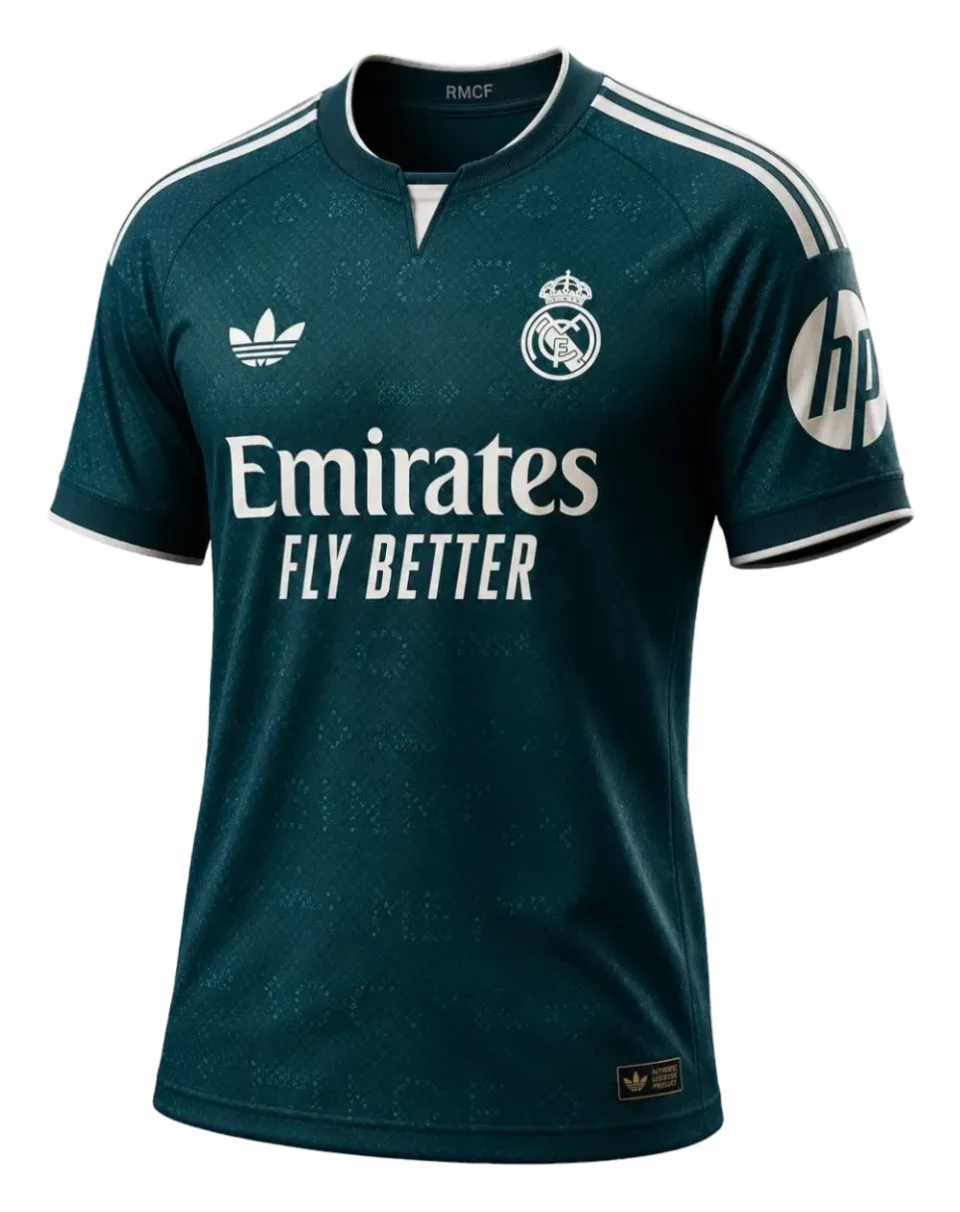
On an embroidered jersey the club crest, the kit maker's logo and often the sponsor are stitched onto the shirt with thread. You can feel the raised texture with your fingers, and on the inside of the shirt you will see the back of the stitching.
- Looks premium: the crest has depth and catches the light, like the shirts sold in club stores.
- Lasts: stitched logos don't crack or peel in the wash.
- Slightly heavier: the stitched areas are a little stiffer than the rest of the shirt.
- Costs more: embroidery takes longer to make, so these shirts sit at a higher price.
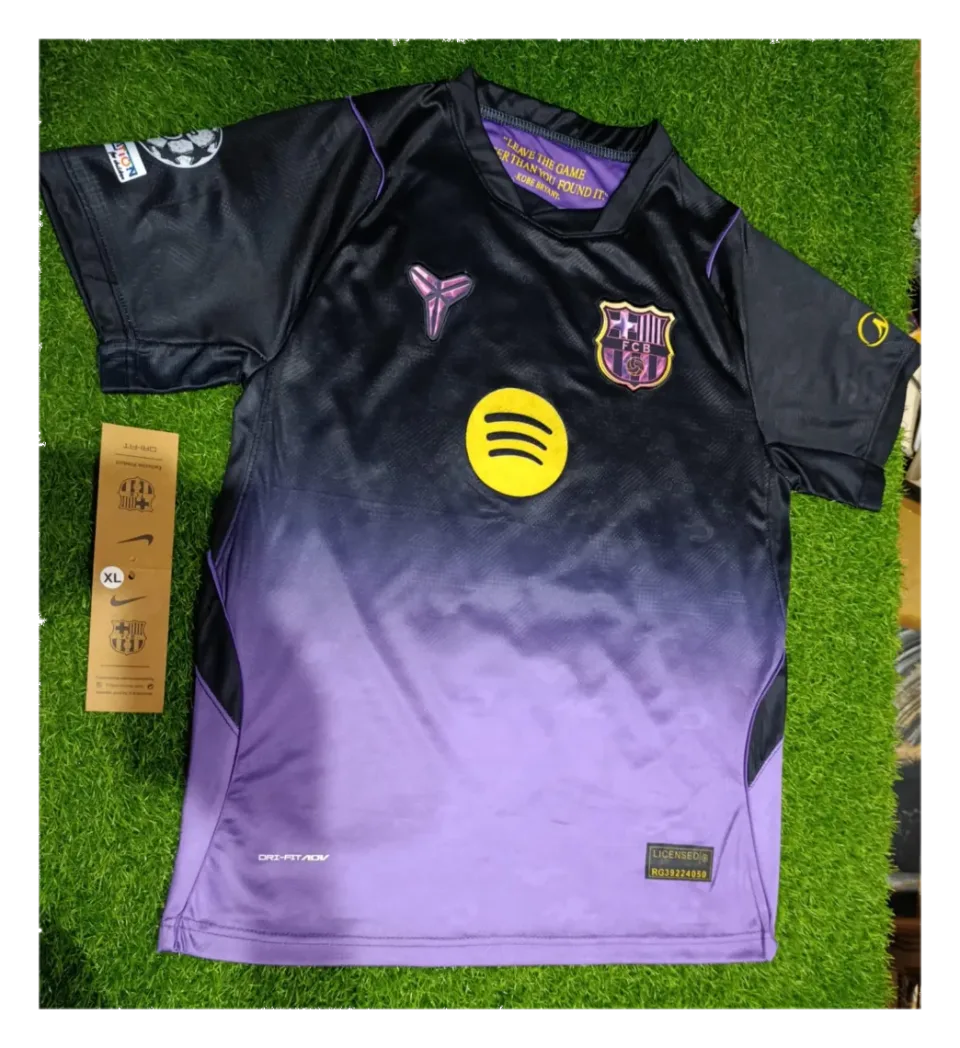
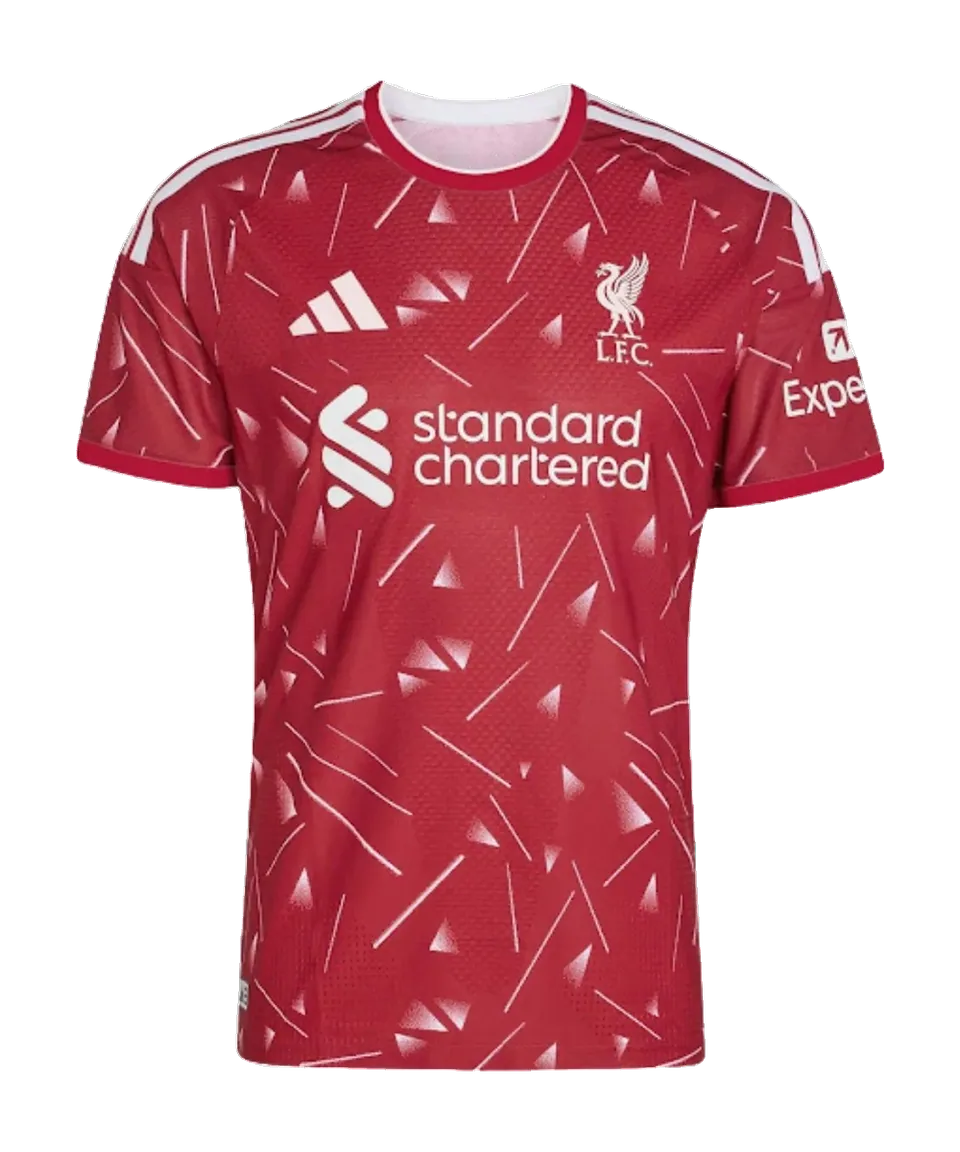
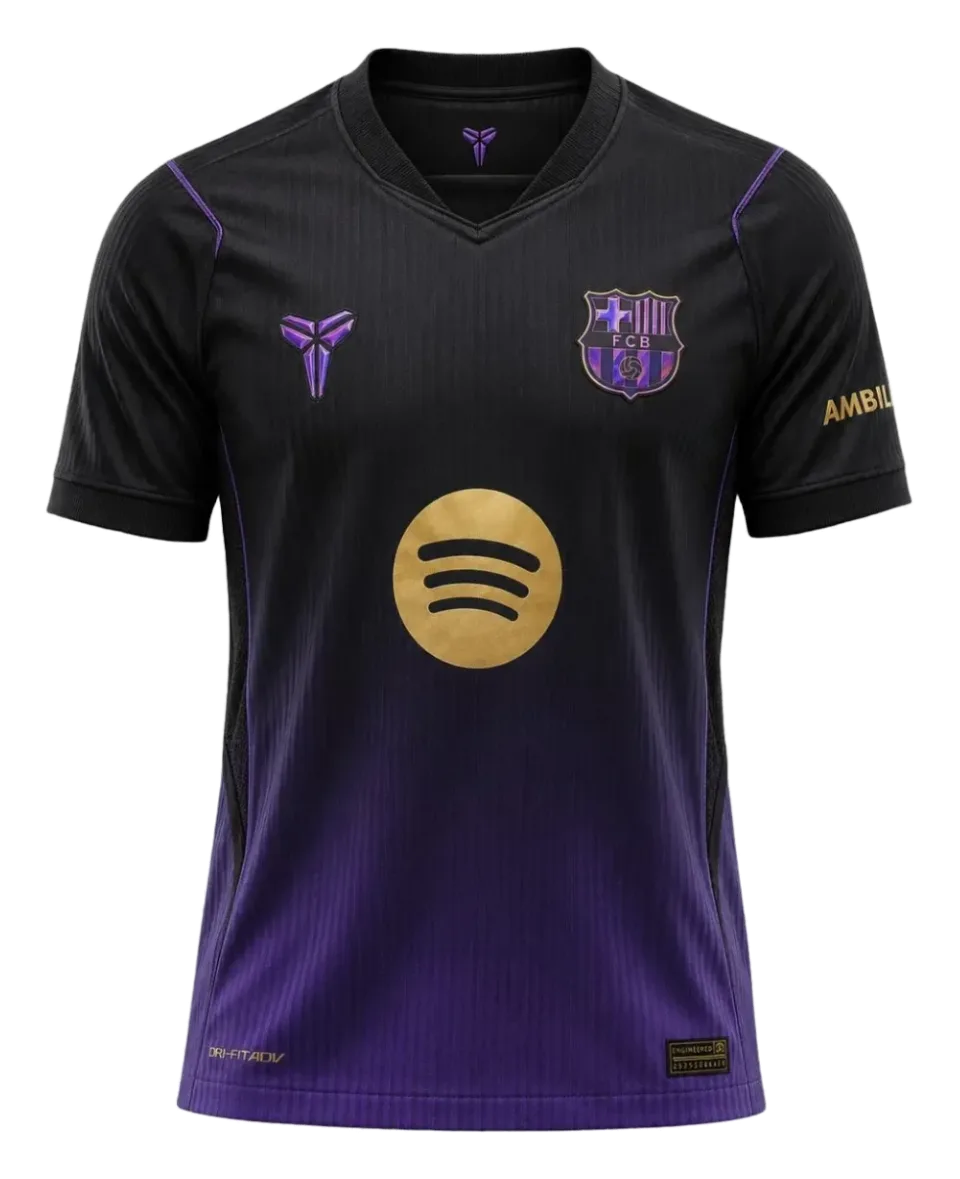
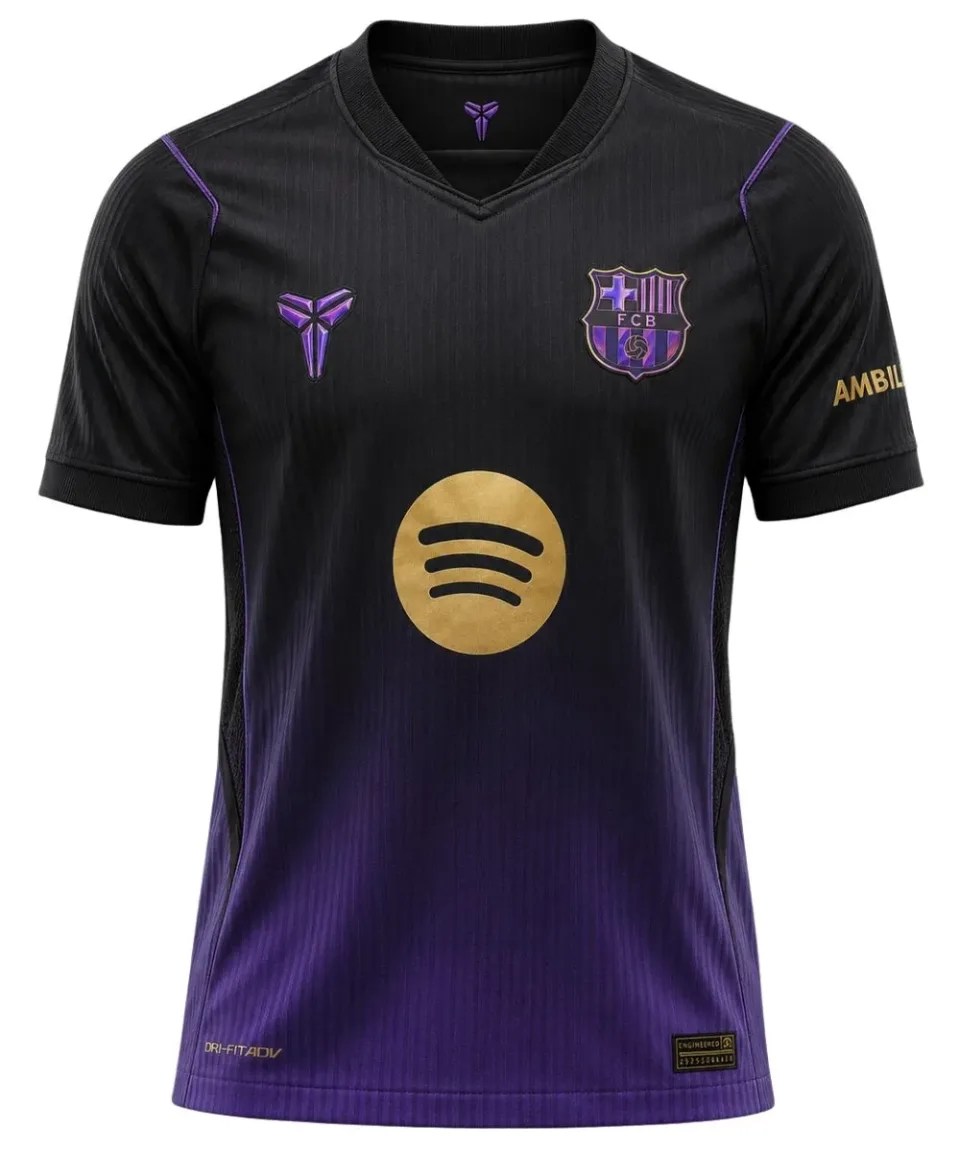
Examples in our shop: the Liverpool Third Jersey 2026-27 Embroidered, the Barcelona Away Shirt 2026-27 Embroidered with Yamal, the Portugal Home Kit Embroidered and the Spain 2026 World Cup Away Jersey with Embroidered Logos.
What a printed jersey is
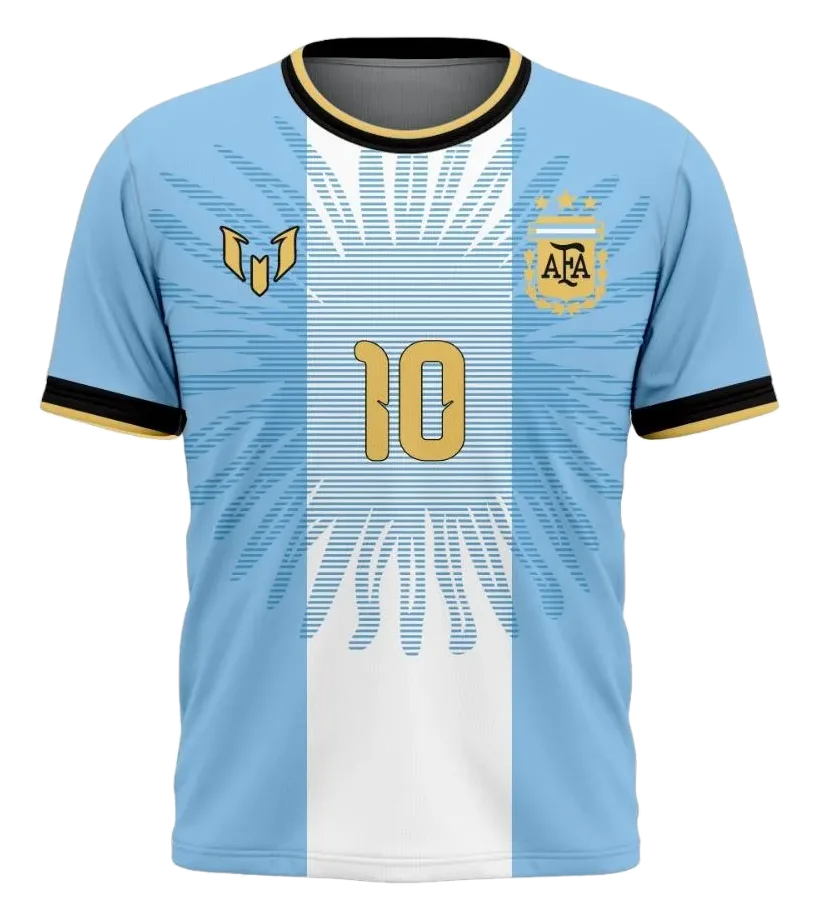
On a printed jersey the logos are applied with heat. Most fan jerseys today are sublimated: the design is dyed into the polyester itself, so it is completely flat and you can't feel it at all. Some badges are heat-pressed instead, which leaves a thin, smooth layer on top of the fabric.
- Light and flexible: nothing stiff on the chest, which players like for training and matches.
- Sharp detail: fine lines and full-colour patterns print cleanly.
- Lower price: the best choice if you want several shirts or a kit for a whole team.
- Needs gentle washing: heat-pressed badges last longest when washed inside out in cold water.
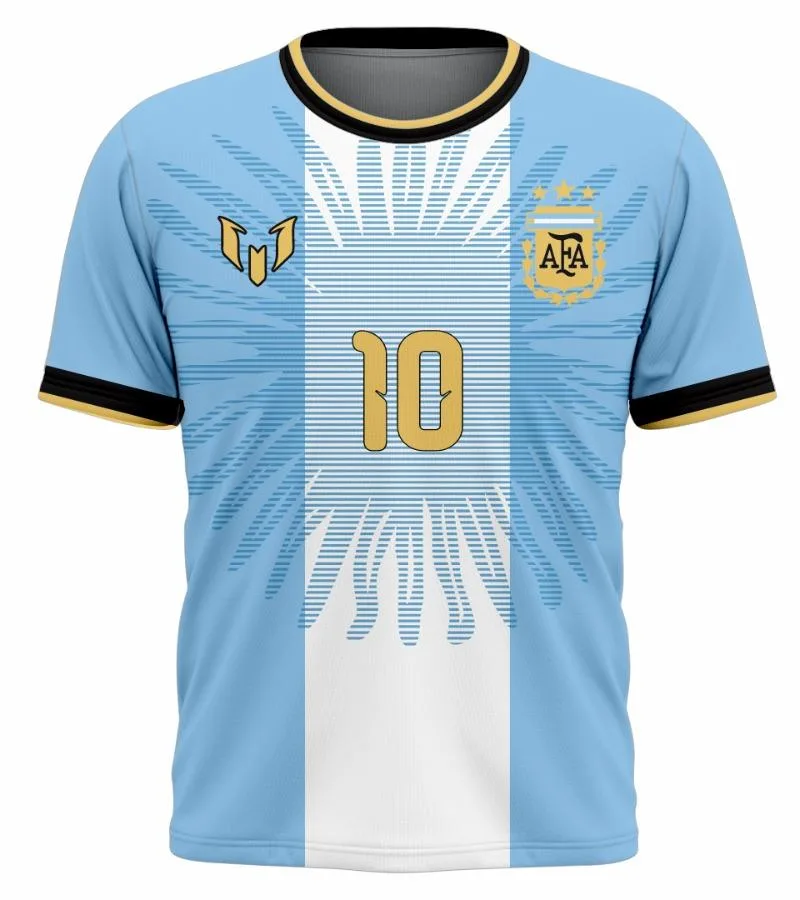
Examples: the Messi Last Dance Shirt – Printed and most of our 2026-27 club jerseys.
How to tell them apart in 10 seconds
- Touch the crest. Raised and textured means embroidered; flat or smooth means printed.
- Look inside the shirt. Embroidery leaves stitching or a backing patch behind the crest; a print leaves nothing.
- Read the product name. In our shop, every embroidered shirt says "Embroidered" in its name.
Which one should you buy?
- For wearing out, gifting or collecting: embroidered. It looks closest to the shirts the players wear on match day.
- For playing, training and hot weather: printed. It is lighter and you won't feel the logos when you sweat.
- For a team or a group order: printed keeps the cost per player down. See how custom team kits work.
Name and number on the back
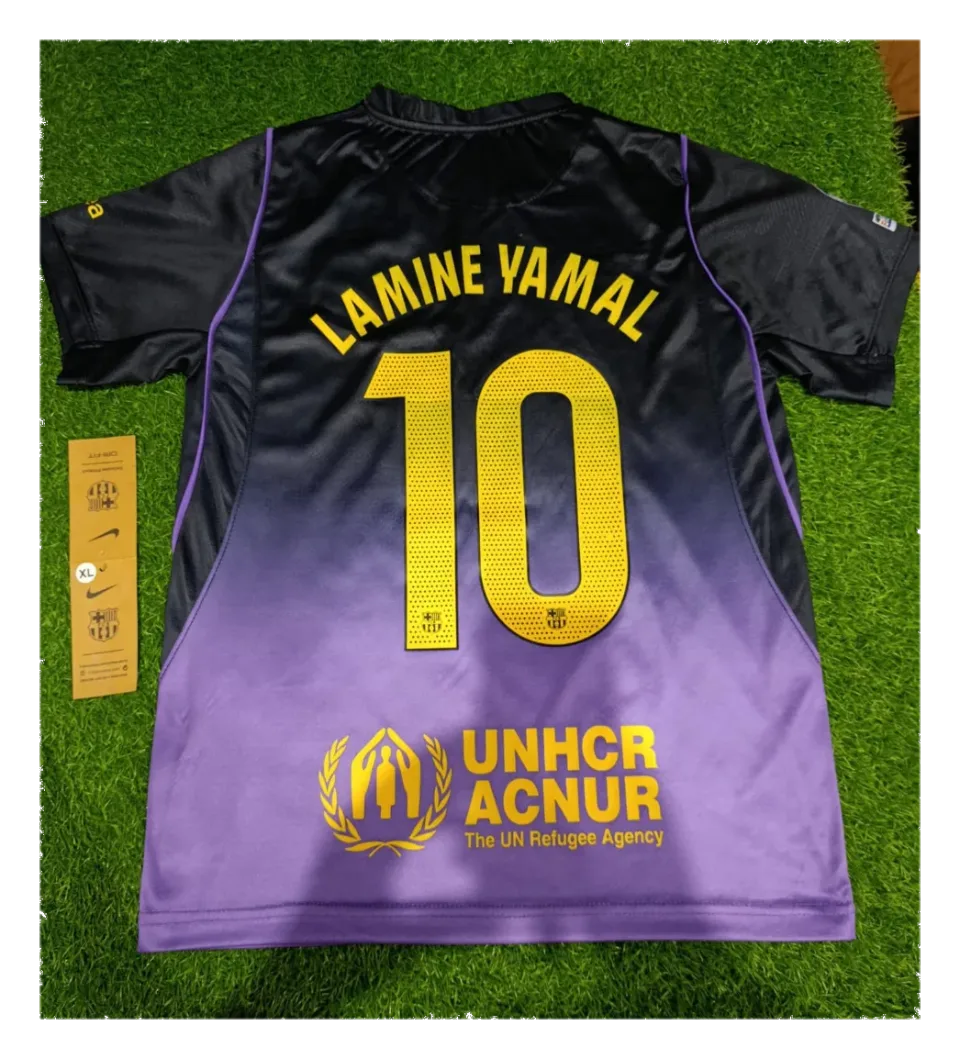
Both kinds can carry your name and number. On shirts where it is offered, we print them on the back for a small extra charge, and printed orders are delivered in 6-7 working days. Printed items can be exchanged only if they are faulty, so check the spelling before you order.
Caring for either kind
Turn the shirt inside out, wash it in cold water and let it dry in the shade. Never iron directly over a crest or a printed name. Our jersey care guide covers it step by step.
Not sure which size to pick? Use the jersey size guide, or message us on WhatsApp and we'll help you choose. Every order is delivered across Pakistan with Cash on Delivery.